


Tenant Turnover: How to Minimize Downtime Between Leases

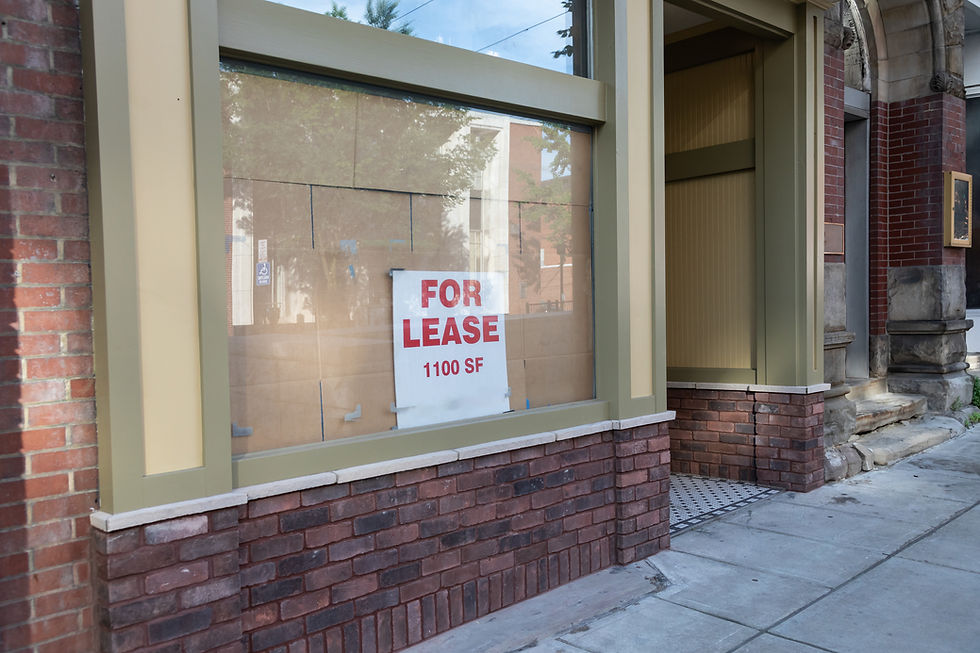
In retail real estate, downtime between tenants can have a direct impact on property performance. Every day a space sits vacant represents lost revenue, reduced foot traffic, and potential disruption to the overall tenant mix. While some level of turnover is inevitable, the way it is managed can significantly influence how quickly a space is re-leased and brought back into operation.
Planning Ahead Before a Lease Ends
Minimizing downtime starts well before a tenant vacates. Proactive property management teams track lease expirations and begin planning months in advance. This includes evaluating renewal opportunities, assessing market demand, and preparing for potential backfill scenarios. Early engagement with existing tenants can sometimes lead to renewals, avoiding vacancy altogether. If a tenant does plan to vacate, having a strategy in place ahead of time allows for faster marketing and leasing once the space becomes available.
Preparing the Space for the Next Tenant
The condition of a space plays a major role in how quickly it can be leased. Well-maintained units that require minimal work are significantly more attractive to prospective tenants. Addressing repairs, servicing systems, and ensuring the space is clean and functional can shorten the transition period. In many cases, maintaining second-generation infrastructure—such as HVAC, electrical, or plumbing—can further reduce buildout timelines for incoming tenants. A prepared space not only leases faster but also reduces upfront costs for new tenants, making it more competitive in the market.
Efficient Marketing and Leasing Strategy
Once a space becomes available, speed is critical. Effective marketing—through broker outreach, online listings, and targeted campaigns—helps generate immediate interest. Clear communication of key details, such as square footage, condition, and availability, allows prospective tenants to quickly assess the opportunity. Highlighting features like visibility, parking, and existing buildout can further strengthen the positioning of the space. Working closely with brokers and maintaining an active pipeline of prospects can significantly reduce vacancy periods.
Coordinating a Smooth Transition
Reducing downtime also depends on how efficiently the transition between tenants is managed. Coordinating move-outs, inspections, and any required repairs or upgrades must be handled quickly and effectively. At the same time, aligning lease execution with construction timelines helps ensure that new tenants can begin their buildout as soon as possible. The goal is to minimize gaps between occupancy and keep the space moving toward opening.
The Bigger Picture
Tenant turnover is a natural part of retail real estate, but extended vacancy doesn’t have to be. With proactive planning, proper space preparation, and efficient leasing strategies, downtime can be significantly reduced. At Milbrook Properties, we take a hands-on approach to managing tenant transitions, focusing on early planning, efficient execution, and maintaining spaces in strong condition. By minimizing downtime and keeping our centers active, we support consistent foot traffic, tenant success, and long-term property performance.


Comments